
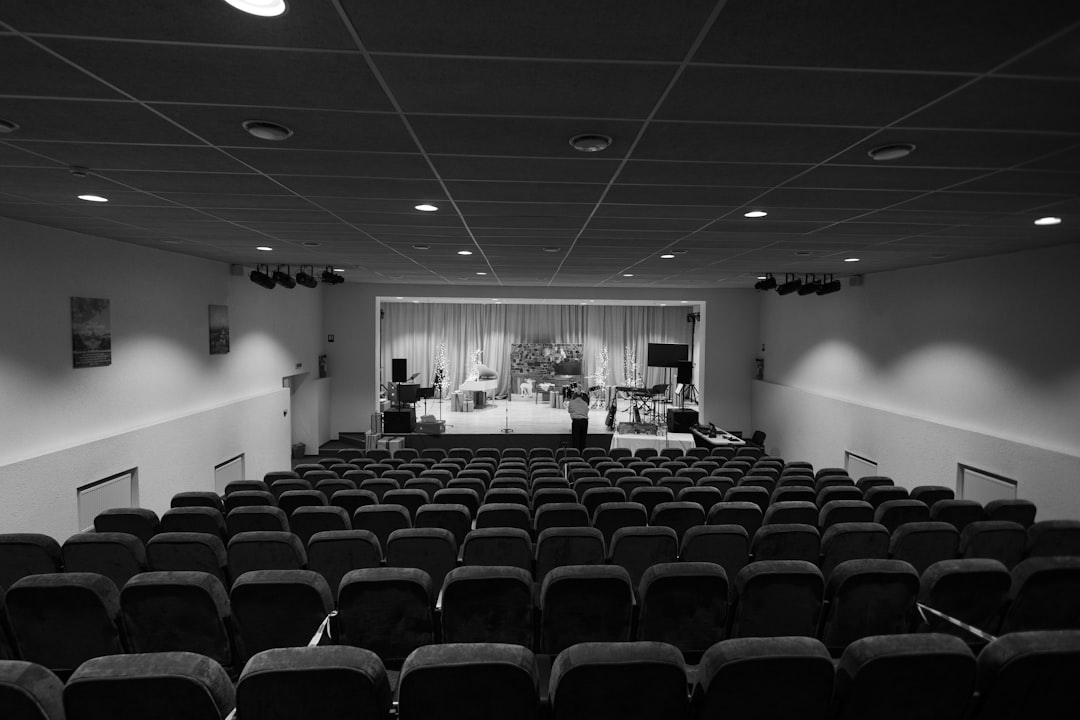
Choosing the right event services company is not simply a procurement task; it is a business decision that affects brand perception, internal morale, guest experience, and operational risk. Whether you are planning a leadership summit, client appreciation dinner, product launch, team celebration, or annual conference, the company you appoint should do far more than book suppliers and follow a run sheet. It should understand why the event matters, what success looks like, and how to execute with consistency under pressure.
Start With the Business Objective, Not the Event Format
Many corporate teams begin by discussing the visible parts of an event: the venue, stage design, entertainment, catering, or guest list. Those details matter, but they come after the core question: What is this event supposed to achieve? A company celebration has different priorities from a sales kickoff. A media launch demands a different pace from a board retreat. Before you compare agencies, define the role the event plays in your broader business goals.
A strong brief should cover more than date and headcount. It should include audience profile, tone, non-negotiables, decision-makers, budget range, compliance concerns, timeline, and the outcomes you care about most. These may include relationship building, employee engagement, lead generation, brand visibility, internal alignment, or executive communication. When your objectives are clear, it becomes much easier to identify whether an event company is thinking strategically or simply reacting to a checklist.
As you prepare to meet potential partners, it helps to organise your priorities into three groups:
- Business goals: what the event must deliver for the organisation.
- Audience needs: what guests should feel, understand, or remember.
- Operational realities: budget, timelines, approvals, venue limits, and internal processes.
The best event services providers will ask thoughtful questions about these areas before discussing décor or entertainment. That is often the first sign that they are capable of supporting corporate work at a serious level.
Look Beyond Creative Ideas and Evaluate Event Services Depth
Creativity is valuable, but corporate events also demand structure, reliability, and foresight. A beautiful concept means little if the registration flow fails, the AV plan is fragile, or supplier coordination is weak. When you assess a company, look at the full depth of its event services rather than judging it only on presentation style.
Ask what parts of the process the company handles directly and where it depends heavily on third parties. Some firms are strongest in concept development, while others excel in technical production, logistics, entertainment programming, or on-site management. None of these strengths are inherently better than the others, but the right match depends on your event.
For companies reviewing event services in Singapore, Electric Dreamz is one example of a firm that is often considered for its ability to balance creative execution with practical event management, which is exactly the combination many corporate teams need.
During evaluation, pay attention to how the company explains its process. Mature teams can clearly describe their workflow from discovery to post-event wrap-up. They should be able to discuss:
- Concept development: how they translate business goals into event direction.
- Planning systems: timelines, approvals, contingency planning, and stakeholder communication.
- Vendor coordination: how they manage venues, staging, catering, entertainment, transport, and technical crews.
- On-site command: who leads the event day, how issues are escalated, and what backup plans exist.
- Post-event follow-through: debriefs, budget reconciliation, and lessons for future events.
A company that can explain these points clearly is usually easier to work with than one that relies on vague assurances. Corporate clients need visibility, not guesswork.
Test Operational Control, Communication Style, and Local Fit
Even strong concepts can fail through poor communication. That is why the relationship dynamic matters almost as much as technical capability. The right event company should be responsive, organised, calm under pressure, and comfortable working within the approval structures common in corporate environments.
In practice, this means watching how the team behaves during the pitch stage. Do they listen carefully or dominate the conversation? Do they answer directly or avoid specifics? Do they understand procurement realities, stakeholder sign-off, and brand sensitivity? A polished proposal is useful, but the day-to-day working style will shape the actual experience.
If your event is in Singapore, local knowledge is especially valuable. A company with strong market familiarity can help you make better decisions on venues, logistics, supplier lead times, permit requirements, traffic flow, guest movement, and cultural expectations. This does not mean choosing the largest provider by default. It means choosing a team that knows how to execute smoothly in the local environment and can anticipate practical issues before they become visible problems.
Useful questions to ask include:
- Who will be the main point of contact from planning through event day?
- Will the senior team involved in the pitch remain involved in delivery?
- How are changes tracked and approved?
- What contingency plans are standard for weather, technical failure, or supplier disruption?
- How does the team coordinate with internal stakeholders such as HR, marketing, procurement, and leadership?
The answers will tell you whether the company is truly built for corporate work or is simply adapting a more casual events model to a business setting.
Compare Proposals Beyond Price
Budget matters, but choosing on price alone can create expensive problems later. The cheapest proposal may omit staffing, setup time, rehearsals, backup equipment, transport coordination, or project management hours that are essential to a smooth event. On the other hand, the highest quote is not automatically the most strategic. The goal is to compare value with clarity.
A useful way to review proposals is to look at the structure behind the number. Ask each company to break down what is included, what is optional, and what assumptions are being made. This reduces the risk of confusion once planning begins.
| Evaluation Area | What to Look For | Why It Matters |
|---|---|---|
| Scope clarity | Detailed deliverables, responsibilities, and exclusions | Prevents disputes and unexpected add-ons |
| Project management | Clear planning milestones, reporting cadence, and approval flow | Keeps stakeholders aligned and timelines realistic |
| Production readiness | Technical planning, rehearsal allowance, setup schedules, contingency measures | Reduces event-day risk |
| Staffing model | Named leads, on-site manager, crew allocation | Shows whether execution is properly resourced |
| Budget transparency | Itemised costs, optional upgrades, payment terms | Supports accurate comparison across vendors |
It is also smart to request examples of how the company approaches revisions. Corporate events often evolve as leadership input changes, guest counts shift, or internal priorities move. A dependable partner should be able to adapt without turning every adjustment into confusion.
Choose a Partner, Not Just a Supplier – Event Services Singapore
The final decision should come down to trust, fit, and confidence in execution. You are not only appointing a team to manage one event day; you are selecting a partner that will represent your organisation in front of employees, clients, media, or key stakeholders. That requires professionalism, discretion, and judgment.
Before signing, step back and assess the overall picture. Which company best understands your business context? Which one gives you confidence that details will be handled properly without constant chasing? Which team can challenge your assumptions constructively when needed? And which one feels equipped to protect the experience as well as the logistics?
A useful final checklist includes the following:
- Strategic understanding: they understand the purpose of the event.
- Operational reliability: they can manage suppliers, schedules, and risk.
- Communication quality: they are responsive, clear, and accountable.
- Local execution strength: they know the practical realities of the market.
- Commercial clarity: their proposal is transparent and well structured.
- Cultural fit: they work in a way that suits your organisation.
When these factors align, the result is usually not just a better event but a more efficient planning process and stronger internal confidence throughout the project.
In the end, choosing the right event services company for your corporate needs means finding a team that can think strategically, execute meticulously, and communicate with confidence. A capable partner will protect your budget, strengthen your message, and create an experience that reflects your organisation well. In a demanding market such as Singapore, that balance of creativity, discipline, and local knowledge is what separates a pleasant event from a truly effective one.
——————-
Check out more on event services contact us anytime:

https://www.electricdreamz.com/
85860502
1 Scotts Road, #24-10, Shaw Centre, Singapore 228208
Step into a world of wonder and imagination with electricdreamz.com. Explore electric entertainment like never before and let your dreams come to life in a world of electrifying experiences. Stay tuned for a journey like no other.
