
Introduction
In a world dominated by mass production, handcrafted jewelry stands out as a beacon of timeless elegance and individuality. Each piece tells a unique story, reflecting the skill and passion of the artisan who created it. The allure of handcrafted jewelry lies not only in its aesthetic beauty but also in the craftsmanship and dedication involved in its creation.
The Art of Handcrafted Jewelry
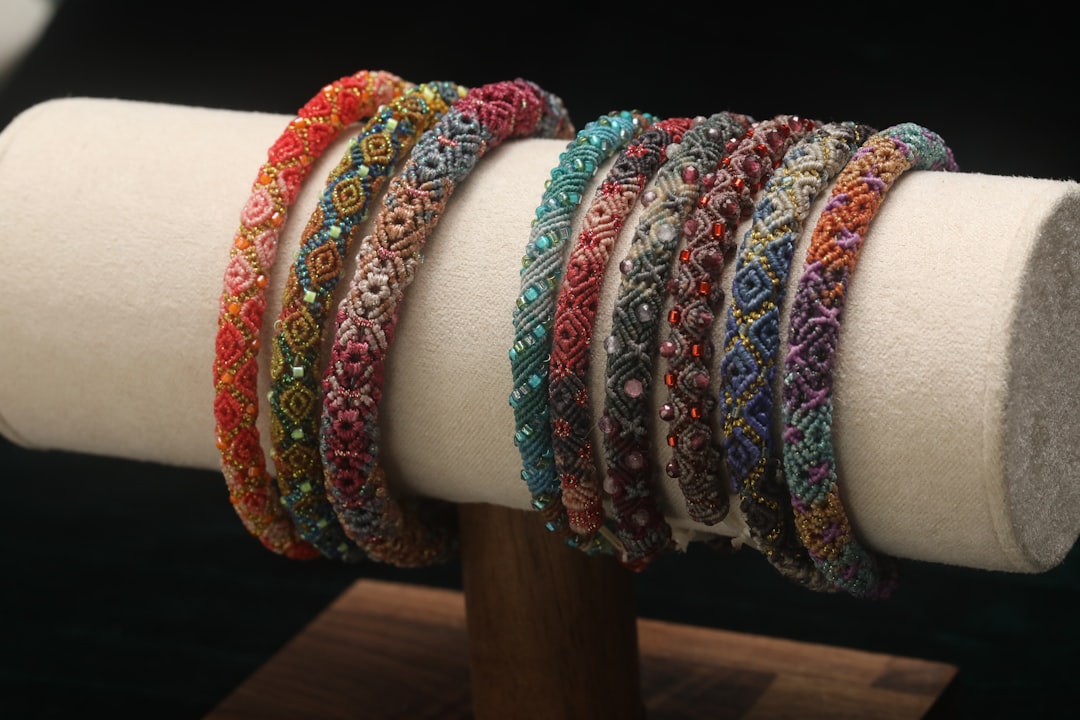
Handcrafted jewelry is an art form that requires precision, creativity, and a keen eye for detail. Unlike machine-made pieces, handcrafted jewelry is meticulously crafted by skilled artisans who pour their heart and soul into every design. This dedication ensures that each piece is a work of art, distinguished by unique variations that make it truly one-of-a-kind.
Artisans use a variety of techniques such as soldering, engraving, and stone setting to create stunning jewelry. These methods allow for greater customization and personalization, enabling artisans to bring their clients’ visions to life. Whether it is a delicate necklace, an intricate bracelet, or a striking pair of earrings, handcrafted jewelry offers endless possibilities for expression and style.
The Appeal of Unique Designs
One of the greatest appeals of handcrafted jewelry is its ability to capture the essence of individuality. In a market flooded with mass-produced items, owning a piece of handcrafted jewelry allows the wearer to express their personal style and taste. Each piece is infused with a sense of authenticity and character, making it a cherished possession for years to come.
Moreover, handcrafted jewelry often incorporates high-quality materials, such as precious metals and gemstones, that are carefully selected by the artisan. This attention to detail ensures that each piece not only looks exquisite but also stands the test of time. The durability and quality of handcrafted jewelry make it a worthwhile investment, offering both beauty and longevity.
Supporting Artisans and Sustainable Practices
Choosing handcrafted jewelry also provides an opportunity to support artisans and their communities. Many artisans rely on traditional techniques passed down through generations, preserving cultural heritage and craftsmanship. By purchasing handcrafted jewelry, consumers contribute to the livelihoods of these talented individuals and help sustain their craft.
Additionally, handcrafted jewelry often adheres to sustainable and ethical practices. Artisans are more likely to use locally sourced materials and environmentally friendly methods, reducing the carbon footprint associated with mass production. This conscious approach to jewelry making ensures that each piece is not only beautiful but also aligns with the values of eco-conscious consumers.
Conclusion
In a fast-paced world, handcrafted jewelry offers a refreshing return to authenticity and individuality. Its timeless elegance, combined with the skill and dedication of artisans, makes each piece a treasure to behold. By choosing handcrafted jewelry, you not only adorn yourself with exquisite designs but also support sustainable practices and the artisans who keep this remarkable tradition alive.
