
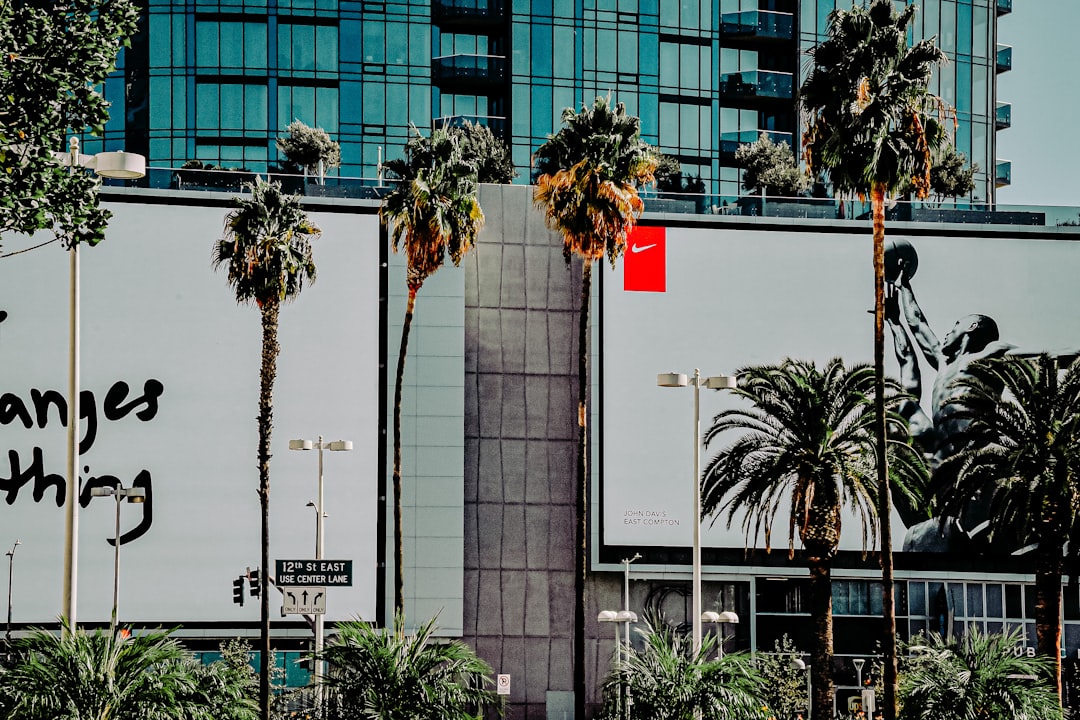
A well-chosen mural can do far more than fill a blank wall. In Los Angeles, where visual culture shapes how people move through neighborhoods, restaurants, offices, retail stores, and hospitality spaces, a mural can define atmosphere, strengthen identity, and make a commercial interior or exterior instantly memorable. The best results come from more than selecting attractive artwork. They come from understanding the space, the audience, and the practical realities of installation from the start.
Start with the purpose of the space
Before choosing colors, themes, or style references, get clear on what the mural needs to accomplish. A mural in a boutique hotel lobby should create a different emotional response than one in a fitness studio, a café, or a corporate reception area. Some murals are designed to calm and anchor a room. Others are meant to energize, guide traffic, or create a recognizable visual moment that customers associate with the business.
This is especially important in any commercial mural installation los angeles project, where design choices often need to respond to both brand identity and the character of the surrounding neighborhood. A mural should feel intentional within the business itself, but it should also make sense in the larger context of the city, the building, and the audience that uses the space every day.
- Customer-facing spaces often benefit from murals that are inviting, distinctive, and easy to absorb at a glance.
- Workplace interiors usually call for something more enduring, balanced, and supportive of focus.
- Hospitality and entertainment venues can handle stronger narrative, mood, and visual drama.
When the purpose is clear, the mural becomes a design decision rather than a decoration added at the end.
Let architecture and flow shape the concept
The wall itself should guide the creative direction. Height, width, lighting conditions, nearby finishes, furniture placement, and sightlines all influence what will actually look right once installed. A mural that feels compelling in a concept sketch can fall flat if it ignores where people enter, pause, sit, or photograph the space.
Look at the mural from multiple distances. Will it be seen from the sidewalk, across a lobby, or only up close in a waiting area? Large-scale compositions need clear structure and rhythm so they read well from afar. More detailed work can be highly effective in intimate interiors where guests have time to engage with the surface.
It helps to assess the space with a simple framework:
| Design Factor | What to Consider | Why It Matters |
|---|---|---|
| Wall size and shape | Full wall, partial wall, curved surfaces, columns, corners | Affects composition and scale |
| Lighting | Natural light, shadow, evening visibility, glare | Changes color perception and legibility |
| Traffic flow | Main entry points, seating areas, paths of travel | Determines viewing angles and focal points |
| Surface condition | Texture, cracks, existing paint, exterior wear | Impacts preparation and durability |
Studios with a strong spatial approach, including Birth of Aurora Designed Mural Service | Los Angeles Design Studio, often begin by reading the architecture first and developing artwork that belongs to the environment rather than sitting on top of it.
Choose a visual direction that supports your brand without becoming literal
One of the most common mistakes in commercial spaces is over-explaining the brand through the artwork. A mural does not need to repeat the logo, slogan, or product line to be effective. In many cases, a more refined approach has greater staying power. Color relationships, mood, pattern, symbolism, and composition can reflect a business identity more elegantly than direct branding.
When evaluating concepts, ask whether the mural feels aligned with the values of the business rather than merely promotional. A strong commercial mural should still feel relevant several years from now, even if the company updates packaging, campaigns, or interior styling.
- Define the emotional tone. Should the space feel warm, elevated, playful, bold, quiet, or artistic?
- Pull from the existing design language. Consider materials, signage, furniture, and architectural details.
- Think about longevity. Trend-driven motifs can age quickly in a permanent installation.
- Use brand cues selectively. A restrained palette or recurring shape can be enough.
This is often where the right creative partner matters most. If you are evaluating options for commercial mural installation los angeles, look for a studio that can translate your brand into a visual environment instead of simply applying decorative graphics to a wall.
Balance artistic ambition with practical execution
A beautiful concept is only successful if it can be installed properly and hold up over time. Interior and exterior murals have different technical demands, and commercial projects often involve timelines, building access restrictions, maintenance concerns, and approval processes that should be addressed early.
For exterior work, durability is a central concern. Sun exposure, pollution, moisture, and wall preparation all affect how the mural will age. For interiors, think about cleaning requirements, touch points, and how the mural will interact with lighting, acoustics, and everyday wear. In either case, scale, material compatibility, and surface preparation should never be treated as afterthoughts.
- Confirm whether the wall requires repair, priming, or sealing before painting begins.
- Ask how the design will perform under the site’s real lighting conditions.
- Clarify the installation schedule to minimize disruption to staff or guests.
- Understand the maintenance plan for preserving the finished work.
- Check whether property management or local approvals are required.
Good planning protects both the visual result and the investment behind it.
Select the right mural partner and approve with confidence
The final choice often comes down to trust. A muralist or studio should be able to explain not just the look of the work, but also the reasoning behind it. Review portfolios for versatility, sense of scale, and how each piece responds to a specific environment. The strongest portfolios show more than style; they show judgment.
Before approving a final concept, request a clear presentation that covers the essentials:
- Concept direction and artistic rationale
- Color palette and relation to the space
- Mockups or renderings in context
- Installation approach and timeline
- Surface preparation and finish details
It is also wise to involve key decision-makers early so feedback stays focused and the concept does not become diluted by late-stage revisions. The right mural should feel both creative and resolved, with a clear reason for every major visual decision.
Choosing the right mural is ultimately about fit: fit with the space, the audience, the architecture, and the future of the business. In a city as visually demanding as Los Angeles, thoughtful planning makes the difference between a wall that simply attracts attention and one that adds lasting value. When approached with care, a commercial mural installation los angeles project can become one of the most distinctive design elements in a commercial property, shaping how people remember the space long after they leave.
