
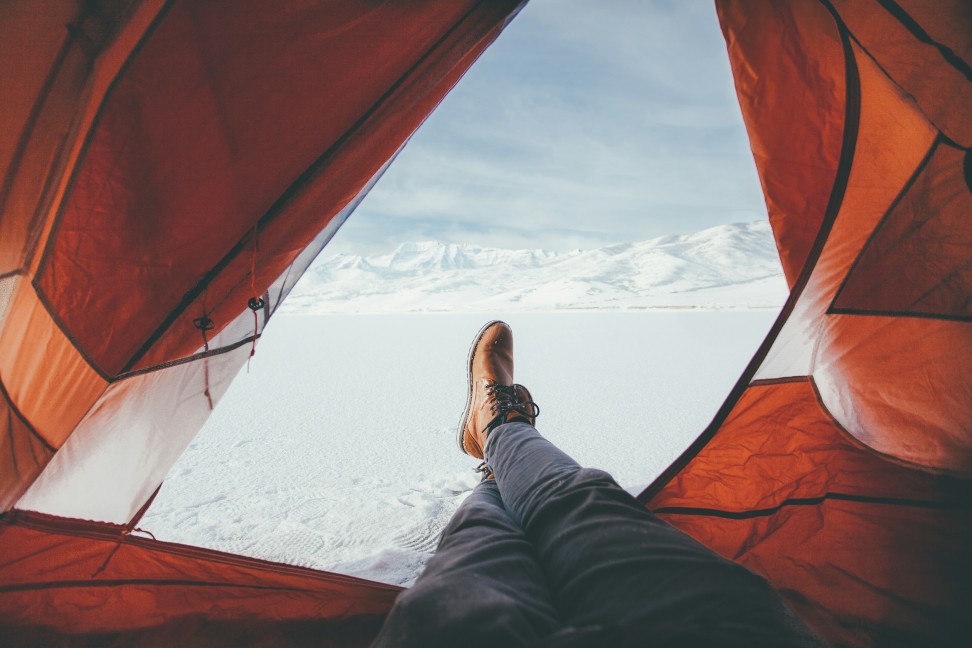
The appeal of camping has always been larger than the price of admission. A night under the trees, a simple meal by the fire, and the quiet reset that comes from being outdoors can feel luxurious in a way that expensive travel often does not. Yet many first-time campers are surprised by how quickly costs can climb when every list seems to demand specialized gear, upgraded equipment, and a trunk full of extras. The good news is that thoughtful campers know something important: comfort, safety, and a memorable trip do not depend on spending heavily. Camping on a Budget: Navigating the Great Outdoors Without Draining Your Wallet is less about cutting corners and more about making better decisions from the start.
Rethink What a Good Camping Trip Really Requires
Budget camping becomes much easier when you separate essentials from assumptions. A successful trip does not require a designer tent, a complete camp kitchen, or a long list of niche accessories. It requires shelter that works, a sleep setup that keeps you warm enough, food you can prepare simply, and a plan suited to the weather and location. Everything beyond that should earn its place.
Many campers overspend because they shop for an imagined future version of themselves rather than the trip they are actually taking next weekend. If you are heading to an established campground with bathrooms, potable water, and nearby parking, your needs are very different from someone planning a remote backcountry route. Budget-conscious camping starts with honesty. Buy and pack for the conditions in front of you, not the identity you think outdoor culture expects.
This mindset also makes camping more enjoyable. Less gear means less setup, less clutter, and fewer expensive purchases that add little value once you are on site. Simplicity is not a compromise in the outdoors; very often, it is the point.
Camping on a Budget: Navigating the Great Outdoors Without Draining Your Wallet Starts Before You Leave Home
The most effective savings happen during planning, not at the campsite. Start by choosing a destination that matches your experience level and budget. A nearby state park, local campground, or regional public land site can deliver the same restorative benefits as a distant destination without the extra fuel, toll, and supply costs that come with long travel days.
It also helps to camp on off-peak dates when possible. Shoulder-season weekends and midweek stays often offer a calmer experience and fewer competing demands for premium sites. Even when campsite fees do not change dramatically, the overall trip can be cheaper because popular areas tend to encourage higher incidental spending on food, firewood, and convenience purchases.
- Set a total trip budget before you buy anything.
- Use a packing list to avoid duplicate or impulse purchases.
- Plan meals in advance so you are not shopping reactively.
- Check what the campsite already provides, including picnic tables, fire rings, water access, and restrooms.
- Borrow what you can for your first few trips before deciding what deserves a permanent place in your kit.
That last point matters. Camping is one of the easiest hobbies to test before investing deeply. If a friend already owns a spare tent, camp stove, or cooler, borrowing can save a substantial amount while helping you learn which features genuinely matter to you.
Gear for Camping on a Budget: What to Buy, Borrow, and Skip
Smart gear selection is where many campers either protect their wallet or blow past it. The goal is not to buy the cheapest option in every category. The goal is to identify where poor quality creates discomfort or risk, and where a simple, low-cost item performs perfectly well.
If you are still refining your approach, Camping on a Budget: Navigating the Great Outdoors Without Draining Your Wallet is a useful reminder that value comes from fit-for-purpose choices, not from collecting more equipment than the trip demands. For practical shoppers, brands such as Mountin Top can make sense when you want straightforward outdoor basics without paying extra for features you may never use.
| Category | Where to Save | Where to Spend | Why It Matters |
|---|---|---|---|
| Tent | Extra vestibules, oversized models, premium styling | Weather protection, easy setup, reliable zippers | A simpler tent is fine, but basic durability matters. |
| Sleeping Setup | Luxury add-ons and bulky extras | Sleeping pad quality and appropriate warmth | Bad sleep can ruin an otherwise inexpensive trip. |
| Cooking | Specialized cookware and gadgets | A dependable stove if open-fire cooking is uncertain | You need a workable meal system, not a camp kitchen showroom. |
| Clothing | Matching outdoor outfits and trend pieces | Dry layers, rain protection, and suitable footwear | Comfort and safety depend more on function than branding. |
A few simple rules help keep gear spending under control:
- Buy used when cleanliness and safety can be evaluated easily, such as camp chairs, tables, lanterns, and some cookware.
- Avoid buying duplicates for convenience alone.
- Choose multi-use items whenever possible, such as a pot that also serves as a bowl or a headlamp that eliminates the need for several separate lights.
- Do not upgrade after one trip unless a problem clearly limited comfort or safety.
Keep Food, Fees, and Camp Comfort Under Control
Food is one of the most overlooked parts of budget camping. People often save on the campsite and then erase those savings with elaborate menus, single-use ingredients, and too many convenience snacks. Good camp meals do not need to be complicated. A short menu built around familiar ingredients is easier to prep, easier to pack, and far less likely to generate waste.
Plan meals that share ingredients across the trip. Tortillas, eggs, rice, pasta, canned beans, oatmeal, hard cheese, and sturdy vegetables can go a long way. Prepping at home also reduces both cost and cleanup. Chop vegetables in advance, portion dry ingredients into reusable containers, and freeze some items so they help keep the cooler cold.
Camp comfort works the same way. Instead of buying every add-on marketed as essential, focus on a few upgrades that have a visible effect on your experience:
- A better sleeping pad before a decorative blanket
- A reliable flashlight or headlamp before ambient campsite lighting
- A weatherproof layer before extra camp clothing
- A comfortable camp chair if you know you will actually use it for hours
There is also real value in campsite habits that cost nothing. Arrive with daylight left for setup. Keep gear organized in bins or bags so you are not replacing lost items. Store food properly so you do not waste it. Bring enough water or know where to refill safely. These decisions improve the trip while quietly protecting the budget.
Spend Carefully, but Never Cheaply, on Safety
Camping on a Budget: Navigating the Great Outdoors Without Draining Your Wallet should never mean ignoring the basics that keep a trip safe and manageable. There are categories where saving too aggressively can create bigger costs later, whether through discomfort, ruined gear, or a trip cut short. Weather protection, sleeping warmth, appropriate footwear, and a basic first-aid kit belong in the non-negotiable column.
This is especially important for beginners, who may not yet know their personal tolerance for cold, uneven ground, or changing weather. A tent that leaks, a sleeping bag that is not warm enough, or shoes that fail in wet conditions can turn a low-cost getaway into an expensive lesson. Budgeting well means protecting the parts of the trip that support health, rest, and resilience.
A practical pre-trip checklist can help:
- Check the weather and pack for the coldest realistic overnight conditions.
- Confirm campsite rules, fire restrictions, and water availability.
- Inspect borrowed or stored gear before departure.
- Pack one extra dry layer and one backup light source.
- Tell someone where you are going and when you expect to return.
These are not expensive precautions, but they are often the difference between a smooth trip and a stressful one.
Conclusion: Camping on a Budget Is a Matter of Priorities
The strongest version of budget camping is not stripped-down or joyless. It is intentional. It favors planning over impulse, durability over novelty, and real comfort over performative gear collecting. When you choose destinations wisely, build a lean kit, simplify your meals, and spend strategically on the items that truly matter, the outdoors becomes far more accessible than many people assume.
In that sense, Camping on a Budget: Navigating the Great Outdoors Without Draining Your Wallet is not just a spending strategy. It is a better philosophy for getting outside. You do not need a premium-priced setup to enjoy fresh air, dark skies, and the satisfaction of living well with less. You need a clear plan, sensible priorities, and the confidence to know that a good camping trip is defined by the experience itself, not the receipt you brought home.
——————-
Visit us for more details:
Mountain Top Adventures
https://www.mountintop.com/
Step into the world of wilderness wonders with our camping blog, where adventure meets tranquility under the open sky. Immerse yourself in a virtual haven curated for outdoor enthusiasts, from seasoned backpackers to those pitching their first tent. Explore the rugged beauty of nature through captivating stories, expert tips, and comprehensive guides that unveil the art of camping. Join our community of nature lovers as we share tales of starlit nights, crackling campfires, and the simple joys of sleeping under the celestial canopy. Whether you seek gear reviews, camping recipes, or the latest in outdoor trends, our blog is your compass for unforgettable journeys, making every expedition a memorable chapter in your outdoor story.
