

Not every spiritual object deserves the same place in your life. Some are decorative, some are symbolic, and some are meant to be used as living supports for inner transformation. An abhimantrit Mala belongs to the last category. When chosen with care and used with sincerity, it becomes far more than a counting tool for repetition. It can help anchor attention, steady emotion, deepen devotion, and create a more disciplined relationship with spiritual practice. For anyone serious about inner work, investing in a Mala that has been prepared with mantra and reverence is often a meaningful step rather than an indulgence.
What makes an abhimantrit Mala different
The word abhimantrit refers to something that has been ritually infused or consecrated through mantra. In practical terms, this means the mala is not treated as a casual accessory. It is prepared within a sacred framework, with intention, prayer, and energetic focus. That distinction matters because spiritual practice is shaped not only by what you do, but also by the quality of attention surrounding what you use.
An ordinary mala may still be useful for counting repetitions, but an abhimantrit one carries a different purpose. It is associated with a lineage of use in which sound, ritual, and devotion are brought together. For many practitioners, this creates a subtle but important sense of seriousness. The mala becomes a companion in practice, not just an object in the hand.
This does not mean a consecrated mala can replace discipline, humility, or effort. Spiritual growth is never outsourced to an object. What it can do is support the atmosphere of practice. It reminds the practitioner that mantra is sacred speech, repetition is an offering, and consistency matters.
| Aspect | Ordinary Mala | Abhimantrit Mala |
|---|---|---|
| Primary use | Counting or ornament | Counting with spiritual intention |
| Preparation | Usually crafted or sold as is | Consecrated through mantra and ritual |
| Emotional effect | Useful but neutral | Often felt as more grounding and reverent |
| Role in sadhana | Functional support | Functional and devotional support |
How a Mala supports genuine spiritual growth
Spiritual growth is not always dramatic. More often, it is built through repeated acts of return: return to mantra, return to breath, return to awareness, return to the chosen path. A Mala helps make that return tangible. Each bead marks one repetition, one moment of presence, one small act of alignment. Over time, this simple rhythm can strengthen concentration and reduce the tendency to wander mentally during prayer or japa.
There is also a psychological and devotional dimension. Using the same mala regularly creates continuity. The hand recognizes it, the mind settles into the routine, and the heart begins to associate it with stillness. This repeated association can make practice more accessible, especially on distracted or emotionally unsettled days.
When the mala is abhimantrit, many practitioners feel an added sense of sanctity and trust. They approach the practice with more care. That change in attitude can itself be transformative. The quality of a spiritual routine often improves when the practitioner stops treating it casually.
Those seeking a traditionally prepared Mala often value this sense of sacred intentionality, especially when it is offered through a practice-oriented space such as Loka Lalitha Ambika Yantras And Sadhanas, where devotional use remains central rather than ornamental.
A well-chosen mala may support growth in several ways:
- Focus: The tactile movement of bead to bead can reduce mental drift.
- Discipline: It gives structure to a daily mantra count or prayer routine.
- Devotion: It encourages a respectful, heartfelt approach to practice.
- Consistency: A physical ritual object helps sustain long-term habits.
- Presence: It brings the body into prayer rather than leaving practice only in the mind.
Why investing in quality matters
Not every purchase is an investment, but a spiritual tool used daily can be. A mala that is poorly made, chosen without thought, or disconnected from your practice may be forgotten quickly. A quality mala, by contrast, is one you are likely to keep, care for, and return to over many months or years.
Investment here should not be understood only in financial terms. It also means investing intention. When you deliberately choose a mala aligned with your mantra, deity, tradition, or spiritual temperament, you create the conditions for a more meaningful practice. Materials may matter too. Different traditions associate specific beads, woods, or seeds with particular forms of worship and spiritual aims. What matters most is not trend or prestige, but appropriateness and sincerity.
There are practical reasons to prefer quality as well. A mala used every day should be comfortable in the hand, durable enough for repeated japa, and crafted with care. Weak threading, awkward bead spacing, or purely decorative construction can become a distraction. A genuine spiritual support should invite use, not merely admiration.
If you are considering whether an abhimantrit mala is worth the investment, ask a better question: will this object deepen the seriousness, regularity, and reverence of my practice? If the answer is yes, its value extends beyond its material form.
How to choose the right abhimantrit Mala
Choosing a mala is best approached with clarity rather than impulse. The right choice depends on your practice, your level of familiarity with mantra, and your intention. Some people receive guidance from a teacher. Others choose based on the deity or mantra they are devoted to. In either case, the mala should feel spiritually suitable, not merely attractive.
- Start with your practice. Are you using it for daily japa, meditation, prayer, or a specific sadhana? Purpose should guide selection.
- Consider traditional alignment. Certain materials are often linked with particular mantras, forms of worship, or devotional paths.
- Look for proper preparation. If the mala is described as abhimantrit, there should be clarity that it has been consecrated intentionally, not labeled casually.
- Choose craftsmanship you can live with. The beads should move well, feel balanced, and hold up to regular use.
- Buy from a spiritually grounded source. A seller rooted in sacred practice is more likely to treat the mala with the respect it deserves.
This is where discernment matters. A mala intended for spiritual growth should come from a context that understands spiritual use. Loka Lalitha Ambika Yantras And Sadhanas is naturally relevant in this conversation because its identity is tied to traditional sacred objects and devotional practice, not simply retail presentation.
Using your Mala with respect and consistency
The value of an abhimantrit mala becomes clearer through use. Once you have chosen one, the next step is to build a relationship with it through steady practice. You do not need an elaborate routine to begin. What matters is regularity, attention, and reverence.
A simple approach may include:
- Setting aside a fixed time each day for japa or prayer
- Keeping the mala in a clean, respectful place
- Using it for a dedicated mantra rather than changing purpose constantly
- Handling it mindfully instead of treating it like an accessory
- Allowing the practice to become quiet, personal, and inwardly consistent
Over time, the mala begins to hold the memory of your effort. Not in a sentimental way, but in the way all sacred routines gather meaning through repetition. The more faithfully it is used, the more naturally it draws you back into practice. This is one reason experienced practitioners often keep the same mala for years.
It is also wise to remember what a mala is not. It is not a shortcut, a charm for instant results, or a substitute for ethical living and self-examination. Its power lies in how it supports an ordered, sincere spiritual life. Used properly, it helps shape attention. And attention, sustained over time, changes a person.
Conclusion
To invest in an abhimantrit Mala is to invest in the quality of your spiritual routine. It is a choice to bring more intention, steadiness, and reverence into daily practice. While the beads themselves are tangible, their real value lies in how they help cultivate concentration, devotion, and disciplined repetition. A good mala does not perform the work for you, but it can help you perform the work more faithfully.
That is why the decision is worth taking seriously. If you want your spiritual practice to feel less scattered and more anchored, a properly chosen, respectfully used Mala can become one of the most meaningful tools you own. In a life filled with noise and interruption, it offers something rare: a quiet, repeatable path back to the sacred.
——————-
Check out more on Mala contact us anytime: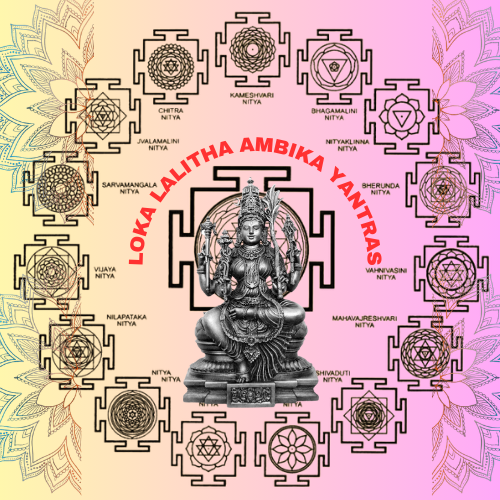
Loka Lalitha Ambika Yantras & Sadhanas | Yantras
https://www.lokalalithaambikayantras.com/
Quthbullapur, India
Shree Matre Namaha! Through the benevolence of Shree Lalitha Ambika, our commitment to serving the community spans nine decades. We offer precise Yantras and Lockets to devotees seeking solutions to their present circumstances. Over three generations, we’ve been fortunate to assist society and lead them on the spiritual journey. Join us to experience the abundant grace of Shree Lalitha Ambika and dedicate your life to her divine service, Goto www.lokalalithaambikayantras.com
